

 English
 中文简体

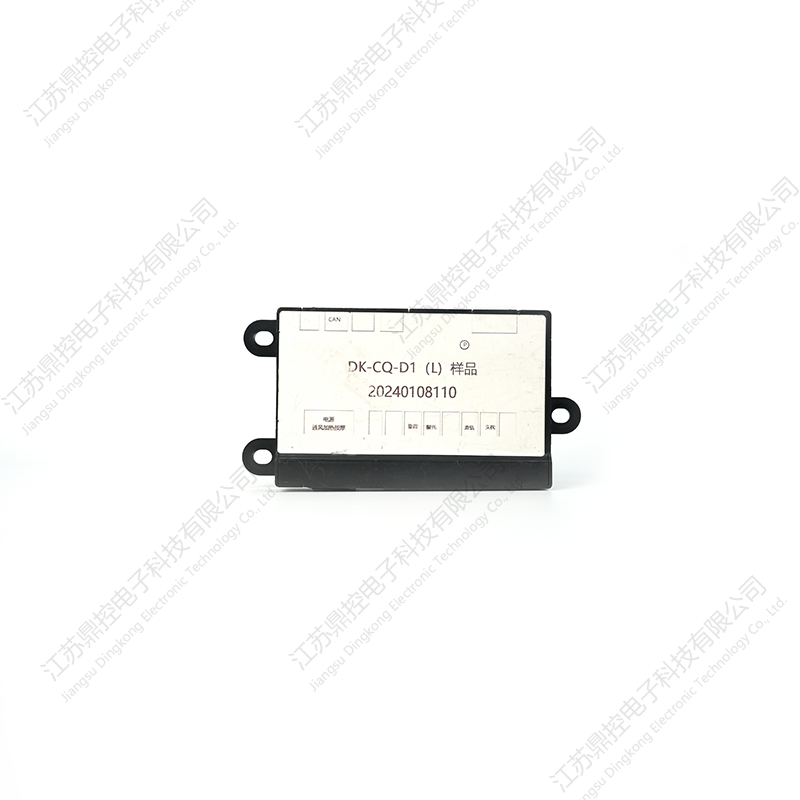
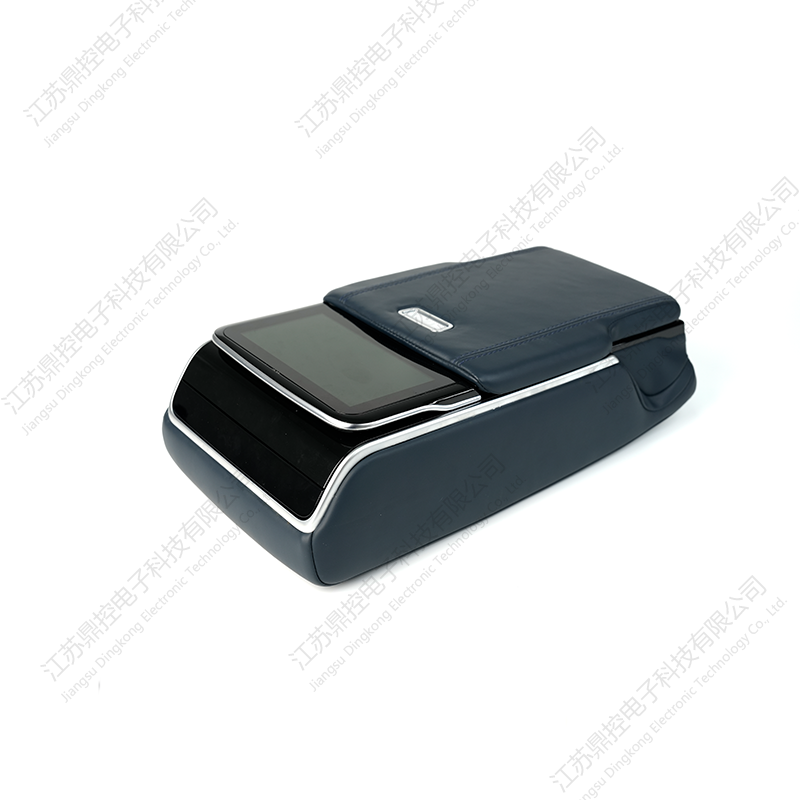
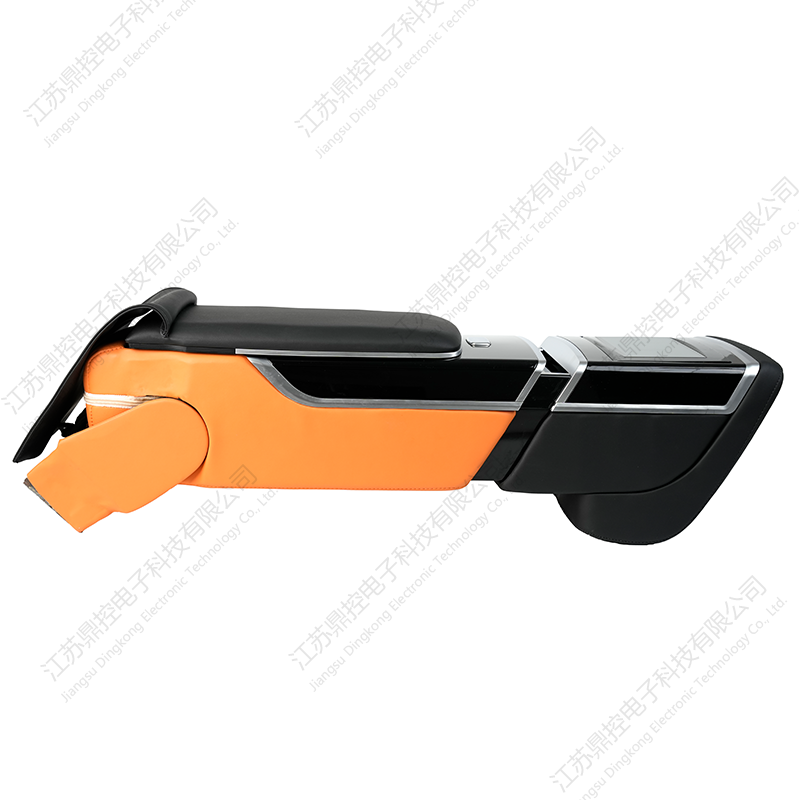
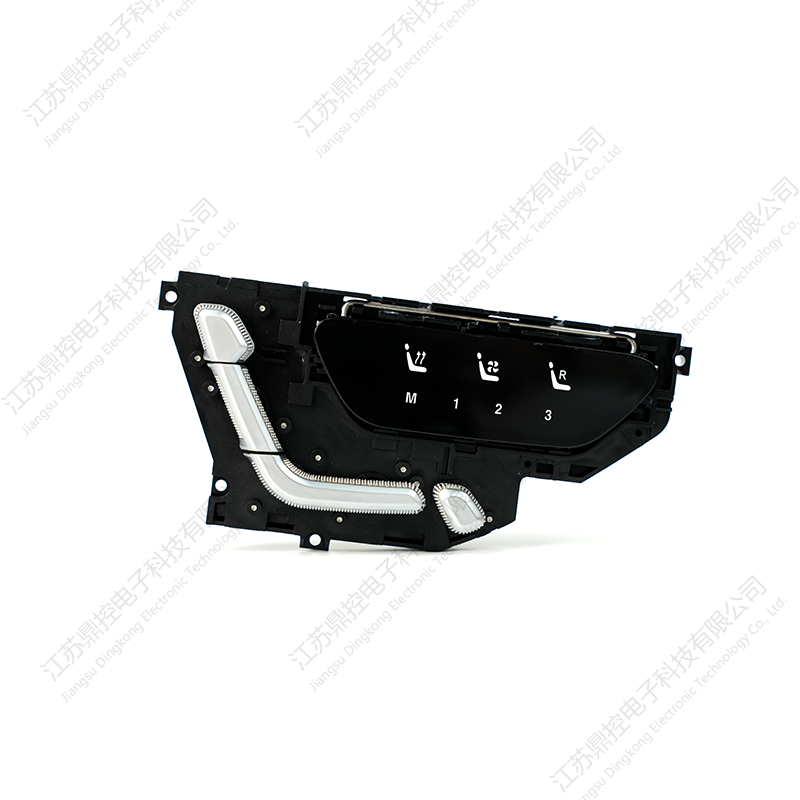
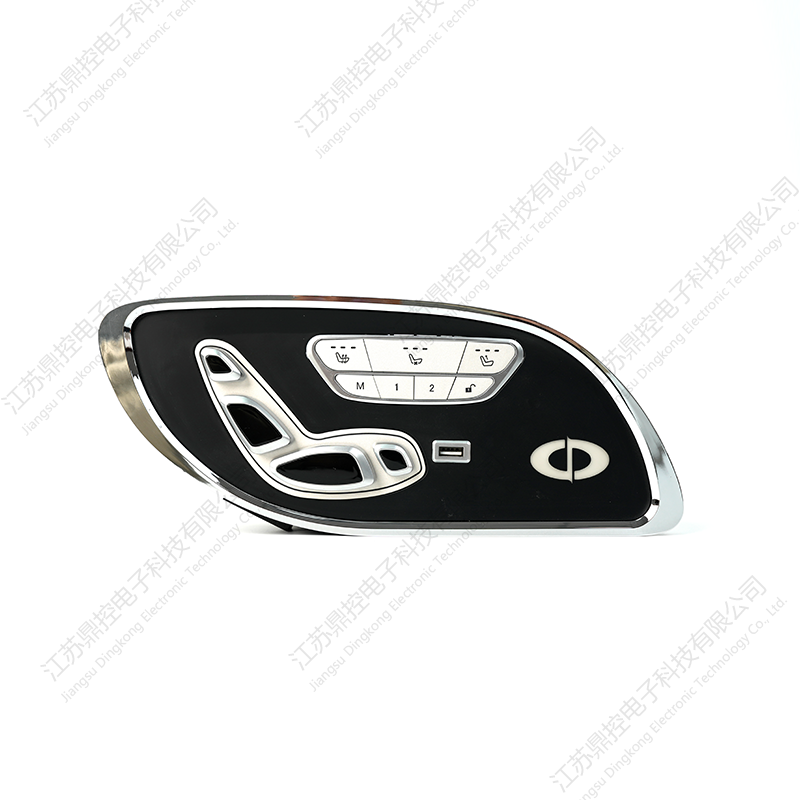
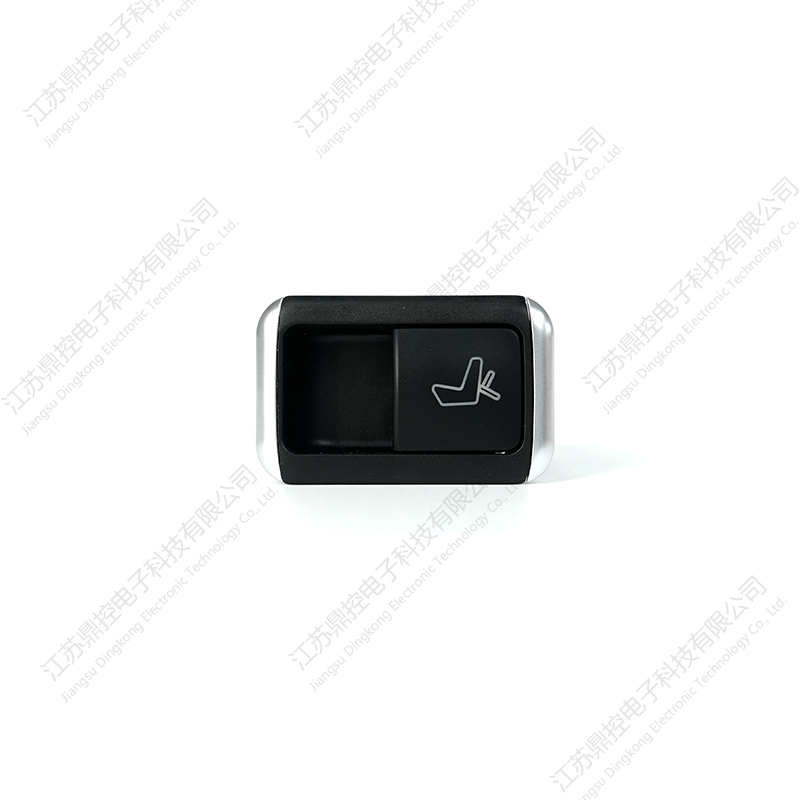
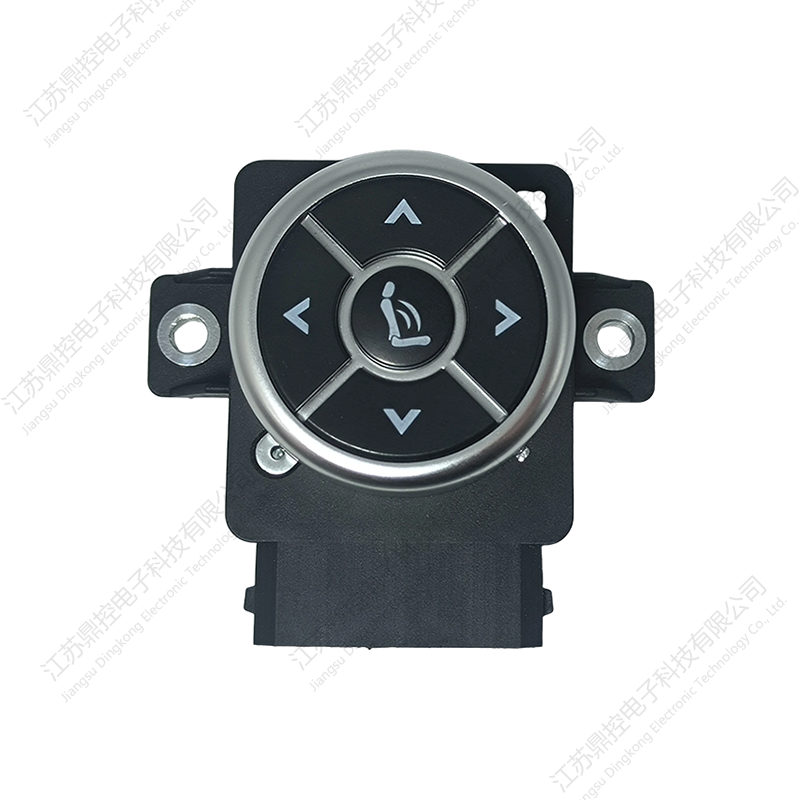
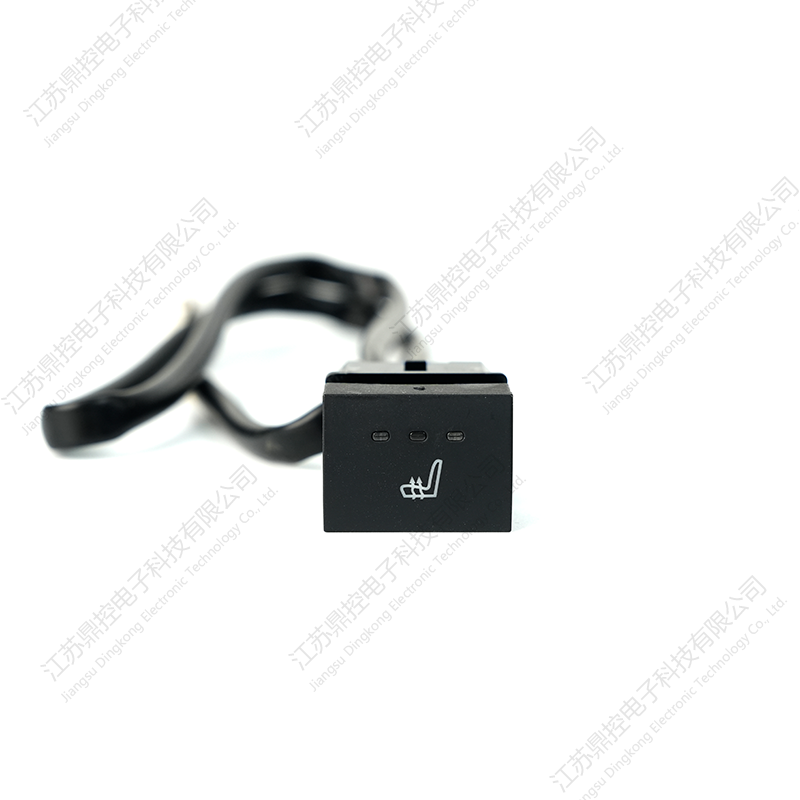

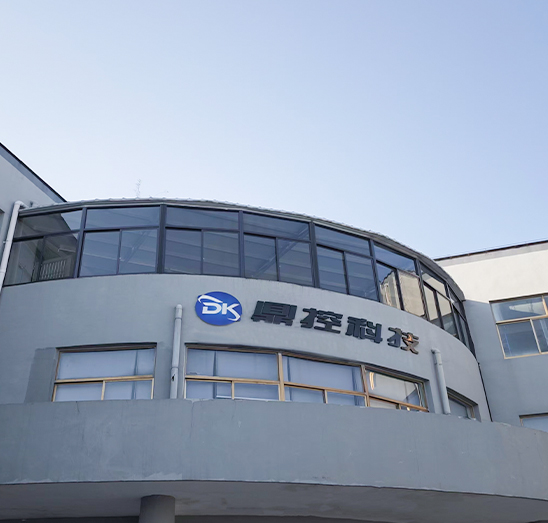
Jiangsu Dingkong Electronic Technology Co., Ltd., founded in 2014, is a high-tech enterprise that integrates design and development, production and processing, and sales.
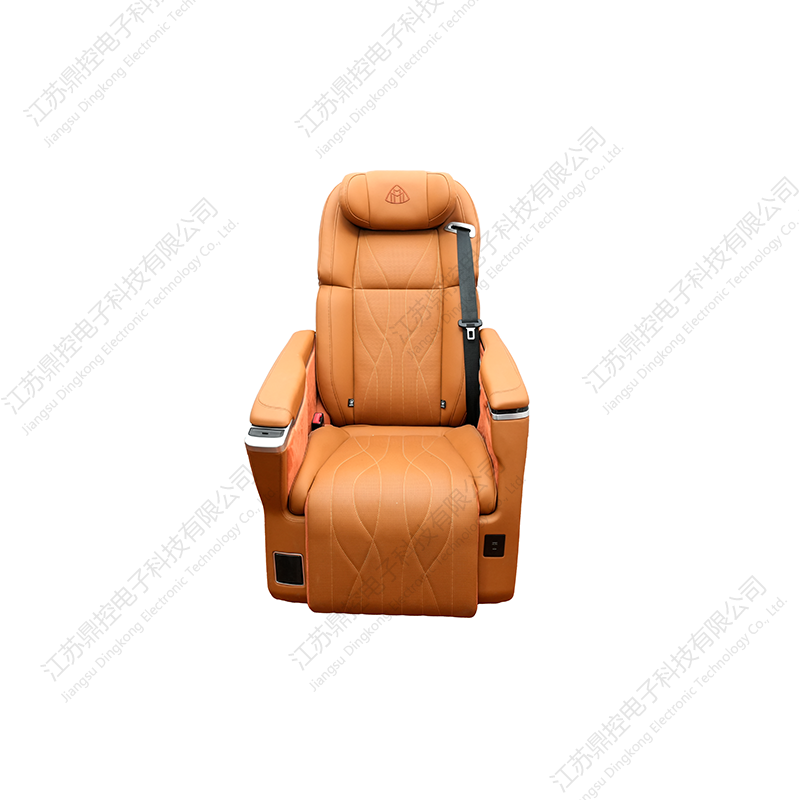
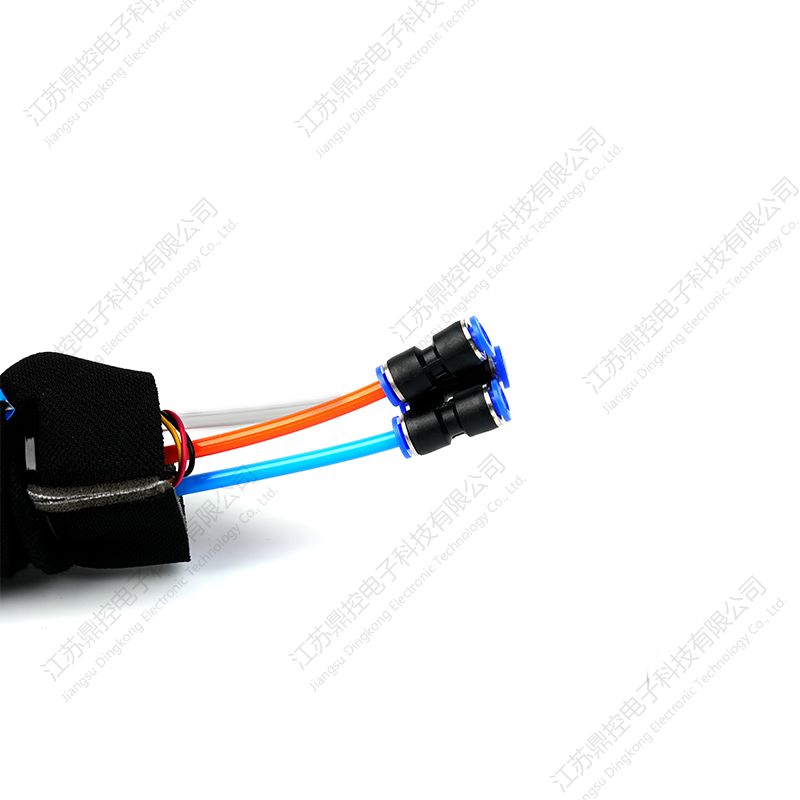
Our company focuses on providing comprehensive solutions for the automotive electrical field, and has been deeply rooted in the industry for many years. We have successfully developed various high-quality automotive electrical products, including switches, touch screens, armrest assemblies, electric door locks, and various advanced control systems.
Since 2022, the company has vigorously entered the field of new energy vehicles, relying on its excellent research and development capabilities to carefully develop a variety of characteristic products specifically suitable for new energy vehicles, and has emerged in the new energy vehicle parts market.
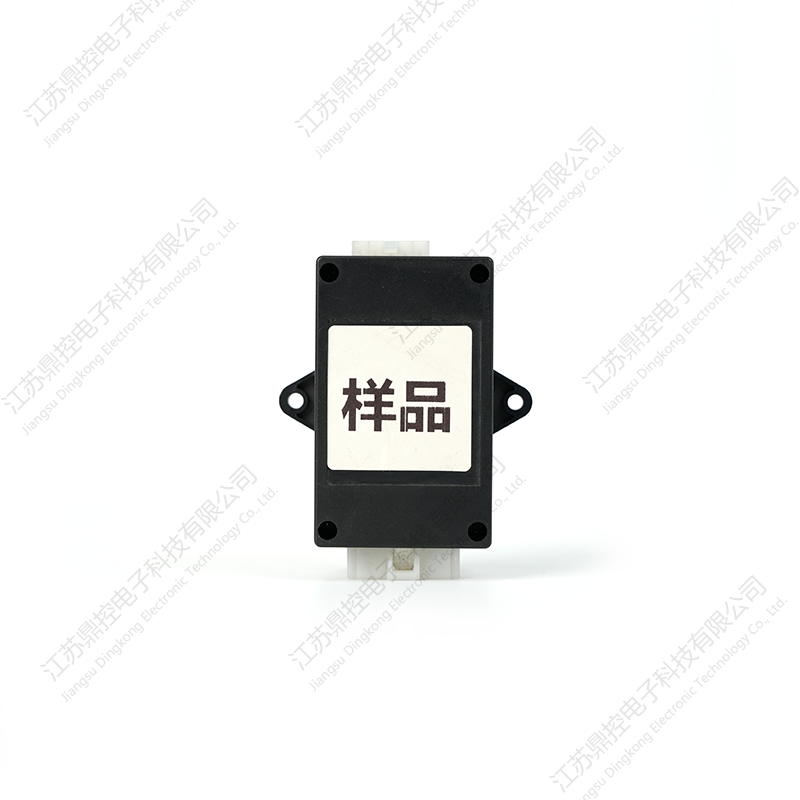
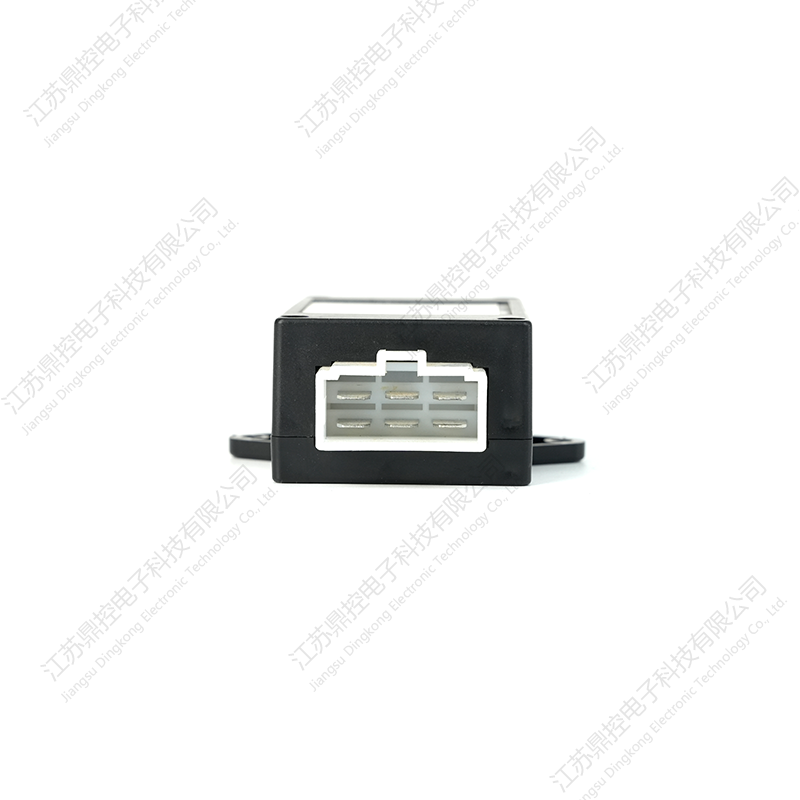
Our company has a complete development system, strong software and hardware development capabilities, and a strong software and hardware development team. Whether it is technical reserves or innovation capabilities, we are at the forefront of the industry. As China YYZ-260 Vehicle Control Unit - Wireless(Bluetooth/WIFI) suppliers and YYZ-260 Vehicle Control Unit - Wireless(Bluetooth/WIFI) company, we always adhere to the customer-centric service philosophy, and are able to tailor exclusive accessories for each car according to the specific needs of our customers, in order to accurately meet market demand and ensure a perfect fit between our products and the market.Jiangsu Dingkong Electronic Technology Co., Ltd. has achieved remarkable success in the field of automotive electrical appliances, and its honors are shining brightly. Focused on providing high-quality automotive electrical solutions, with outstanding performance in various products.
The company has won numerous awards with its complete development system and strong development capabilities. These honors are not only a recognition of product technology innovation and high quality, but also a recognition of customized services to meet customer needs. They witness the company's hard work and breakthroughs along the way, and also inspire us to continue moving forward, to continue to shine in the industry with more exquisite skills and caring services, and to create more brilliance.
Replacing a power-seat control module usually ends at the same small detail: a row of 0.100-inch pin headers on the board and a harness that has to plug into them. In a large shar...
READ MORE