

 English
 中文简体
中文简体1: Introduction – Enhancing Comfort and Convenience with Car Armrests The Importance of Comfort in Modern Driving In today’s automotive landscape,...
READ MOREAug 06, 2026
Content
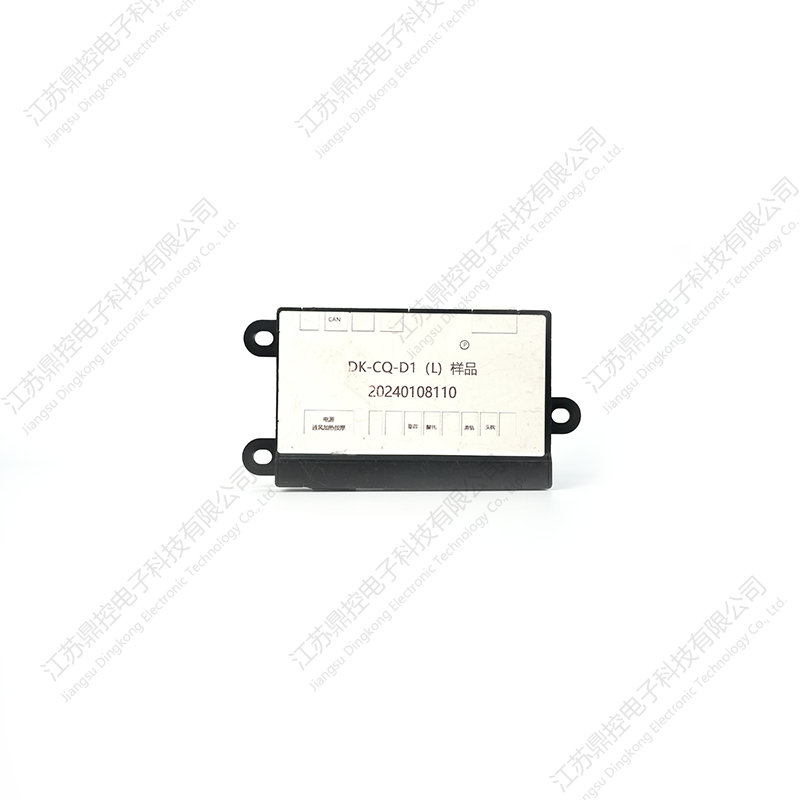
A vehicle control module (VCM) acts as the central computer that monitors sensor data and manages electronic systems to optimize performance, safety, and efficiency. It processes inputs from dozens of sensors in real-time—typically sampling at rates between 100 Hz and 1 kHz—and adjusts actuators for fuel injection, ignition timing, transmission shifting, braking force, and climate control. Modern vehicles contain anywhere from 30 to over 100 specialized modules communicating via CAN bus networks, with each dedicated to specific subsystems while coordinating through gateway modules.
The primary value of VCMs lies in their ability to maintain optimal operating parameters under varying conditions. For example, an engine control module continuously recalculates air-fuel ratios based on oxygen sensor feedback, adjusting injector pulse width within ±2% accuracy to maintain stoichiometric combustion. Without this closed-loop control, engines would operate inefficiently, produce excessive emissions, and suffer premature wear regardless of mechanical condition.
Vehicle control modules are categorized by function, with each type managing distinct operational domains. The Engine Control Module (ECM) governs powertrain operations including fuel delivery, spark timing, and emissions systems, while the Transmission Control Module (TCM) handles gear selection, shift quality, and torque converter lockup. Body Control Modules (BCM) manage lighting, windows, locks, and HVAC, whereas Chassis Control Modules oversee ABS, stability control, and suspension damping.
Beyond primary domains, specialized modules handle increasingly complex tasks. Advanced Driver Assistance Systems rely on dedicated ADAS modules processing camera, radar, and lidar data at over 1 billion operations per second for features like adaptive cruise control and automatic emergency braking.
VCM failures typically manifest as intermittent electrical issues rather than complete system shutdowns, making diagnosis challenging without proper scan tools. Common symptoms include unexplained warning lights, erratic gauge behavior, accessory malfunctions, or communication errors visible only through OBD-II diagnostics. Approximately 65% of perceived "sensor failures" actually stem from module circuit problems such as corroded connectors, damaged wiring harnesses, or internal solder joint fractures caused by thermal cycling.
Proper troubleshooting requires systematic elimination before condemning expensive control units. Technicians should verify power, ground, and signal integrity at module connectors using oscilloscopes and multimeters before replacement.
| Symptom Pattern | Likely Module Issue | Likely Component/Sensor Issue |
|---|---|---|
| Single fault code, consistent | Unlikely | High probability |
| Multiple unrelated DTCs | High probability | Low probability |
| Intermittent with vibration/temp | Internal solder/connection fault | Wiring harness chafing |
| No communication on scan tool | Module dead or network failure | Fuse/blown power supply |
Vehicle control modules rarely require preventive maintenance but demand careful handling during service procedures. Disconnecting batteries before electrical work prevents voltage spikes that can fry sensitive microprocessors. When replacement becomes necessary, new modules often require programming with vehicle-specific calibration files using OEM or approved aftermarket tools; installing an unprogrammed unit will result in non-functional systems even if hardware matches perfectly.
Environmental factors significantly impact module longevity. Units mounted in engine bays face extreme thermal stress, with junction temperatures regularly exceeding 125°C during sustained operation. Ensuring proper heat shielding, clean cooling fins, and intact connector seals extends service life. Water intrusion remains the leading cause of premature BCM and TCU failure; inspecting door pillar grommets, windshield seals, and drain tubes during routine service prevents costly moisture-related damage that voids most warranties.
1: Introduction – Enhancing Comfort and Convenience with Car Armrests The Importance of Comfort in Modern Driving In today’s automotive landscape,...
READ MOREI. IntroductionThe automotive industry is undergoing constant evolution, with a growing emphasis on vehicle maintenance and personalization. For car o...
READ MORE1. Introduction The Tesla Model 3 and Model Y have quickly become two of the most popular electric vehicles on the market. With their sleek designs, i...
READ MORE
Jiangsu Dingkong, No.1, Menlouxia, Changjing Town, Jiangyin City, Jiangsu Province, China
Copyright © 2024 Jiangsu Dingkong Electronic Technology Co., Ltd. All Rights
Reserved.
 Auto Aftermarket Accessories Manufacturers