

 English
 中文简体
中文简体1: Introduction – Enhancing Comfort and Convenience with Car Armrests The Importance of Comfort in Modern Driving In today’s automotive landscape,...
READ MOREAug 11, 2026
Content
Yes, power seats can be added to a car that originally came with manual seats, but the process is a complex retrofit rather than a simple plug-and-play upgrade. The most reliable method involves swapping in OEM power seat assemblies from a higher-trim version of the exact same vehicle model, as these share identical floor pan mounting points and factory wiring harness pathways. Aftermarket universal power seats exist but often require custom fabrication and lack the safety integration of original equipment. While technically feasible for most vehicles, the project typically costs between $800 and $2,500 when including parts, wiring, and labor, making it economical primarily for newer vehicles or those with high sentimental value.
Choosing between factory-original and universal components determines both the success rate and long-term reliability of the conversion. Each approach carries distinct advantages and limitations that must be weighed against budget and vehicle specifics.
| Factor | OEM Swap (Same Model) | Universal Aftermarket |
|---|---|---|
| Mounting Compatibility | Bolt-in (Factory holes align) | Requires adapter plates/drilling |
| Wiring Integration | Uses existing harness provisions | Custom wiring required |
| Safety Features | Retains airbag/sensor systems | Often loses occupancy sensors |
| Cost Range | $800 – $2,000 | $400 – $1,200 |
| Resale Impact | Neutral to positive | Potentially negative |
Factory power seats from the same model line guarantee that seat belt pretensioners, side airbags, and occupant detection systems remain functional. Modern vehicles integrate these safety components directly into the seat frame; using non-OEM seats can disable critical safety systems and trigger dashboard warning lights that may fail vehicle inspections.
Universal power seat kits are viable only for older vehicles without integrated seat electronics, classic car restorations, or commercial fleet applications where safety sensor integration is not applicable. These kits typically include standalone motors, switches, and generic brackets but require significant metalwork for proper installation.
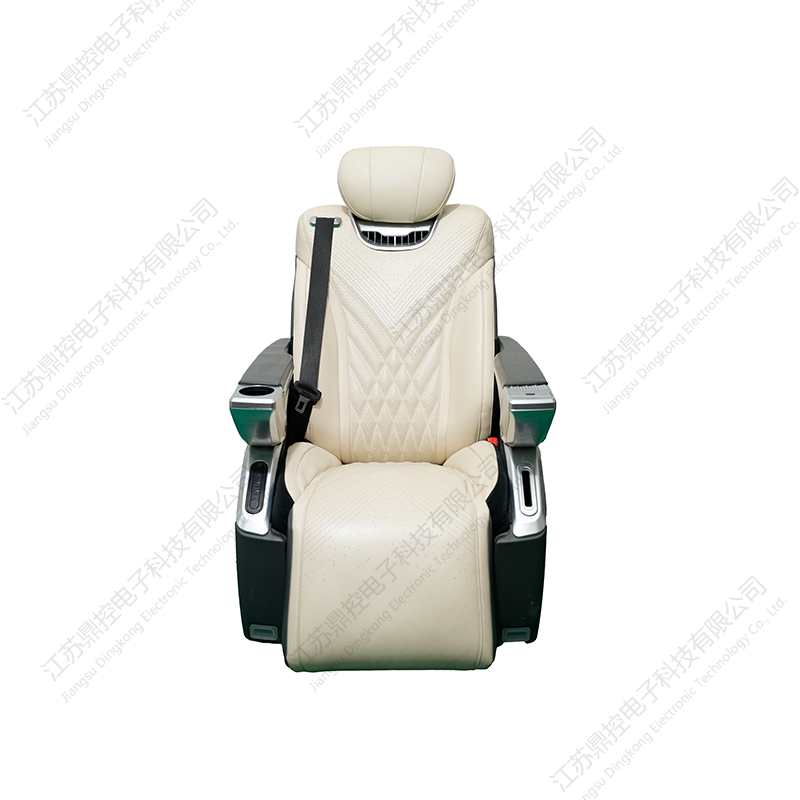
Power seats draw substantial current and require dedicated electrical infrastructure that manual-seat vehicles often lack. A single power seat motor can draw 15-30 amps under load, and multi-directional seats with memory functions may require multiple fused circuits. Before purchasing any seat assembly, verify whether your vehicle's factory wiring harness includes dormant connectors beneath the carpet or behind kick panels. Many manufacturers pre-install partial harnesses across trim levels to simplify assembly line production; locating these can reduce wiring work by over 70%. If no provisions exist, you must run new gauge-appropriate wire directly from the fuse box with proper inline fusing and relay protection to prevent fire hazards.
Even with compatible OEM seats, installation involves more than unbolting and rebolting. Key complications that drive labor hours include:
Professional installation typically requires 4-8 hours of labor at $100-$150 per hour, depending on vehicle complexity. DIY installation is feasible for mechanically inclined owners with automotive electrical experience, but improper airbag handling poses serious injury risk and should be avoided without proper training and equipment.
Before committing to a power seat retrofit, objectively evaluate whether the investment justifies the outcome. For vehicles worth less than $10,000, a $2,000 seat conversion rarely recoups its cost at resale and may complicate future sales if documentation is incomplete. Consider these alternatives first: professional upholstery shops can add lumbar support foam and adjustable headrests to existing manual seats for $300-$600, significantly improving comfort without electrical complexity. Seat cushions with built-in massage or heating functions offer similar ergonomic benefits for under $200. Reserve full power seat conversions for vehicles you plan to keep long-term, daily drivers with specific mobility needs, or collector cars where factory-correct restoration adds documented value.
1: Introduction – Enhancing Comfort and Convenience with Car Armrests The Importance of Comfort in Modern Driving In today’s automotive landscape,...
READ MOREI. IntroductionThe automotive industry is undergoing constant evolution, with a growing emphasis on vehicle maintenance and personalization. For car o...
READ MORE1. Introduction The Tesla Model 3 and Model Y have quickly become two of the most popular electric vehicles on the market. With their sleek designs, i...
READ MORE
Jiangsu Dingkong, No.1, Menlouxia, Changjing Town, Jiangyin City, Jiangsu Province, China
Copyright © 2024 Jiangsu Dingkong Electronic Technology Co., Ltd. All Rights
Reserved.
 Auto Aftermarket Accessories Manufacturers