

 English
 中文简体
中文简体1: Introduction – Enhancing Comfort and Convenience with Car Armrests The Importance of Comfort in Modern Driving In today’s automotive landscape,...
READ MOREApr 30, 2026
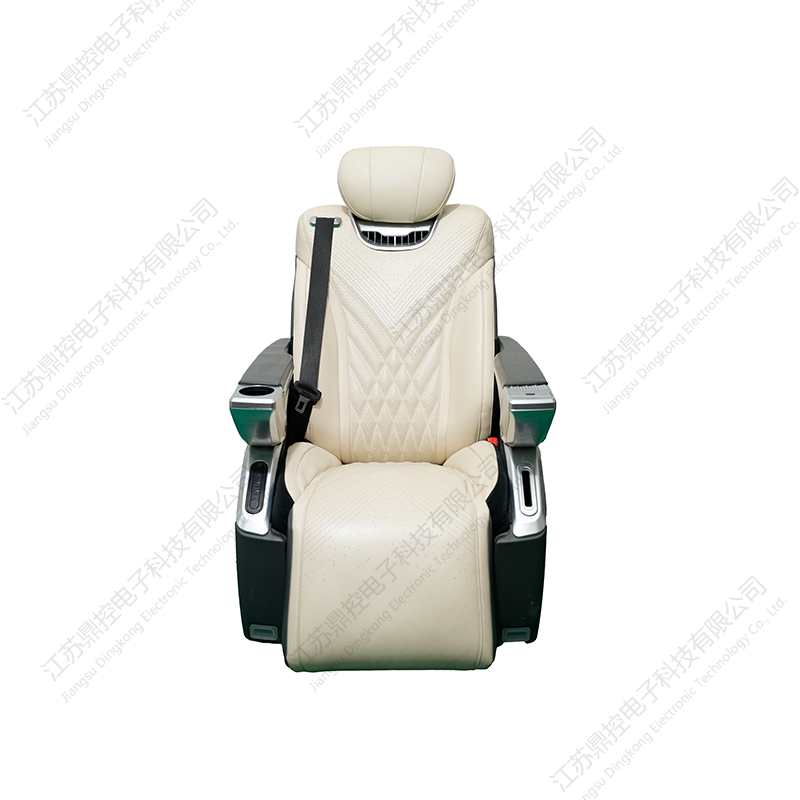
Car power seats represent a significant advancement in automotive comfort and ergonomics, allowing drivers and passengers to achieve optimal positioning with the touch of a button. Unlike manual seats, which rely on mechanical levers and physical effort, power seats utilize electric motors and gear systems to adjust height, tilt, recline, and lumbar support. This technology not only enhances convenience but also contributes to safety by ensuring that drivers can maintain proper posture and reach controls without strain. For vehicle owners, understanding the mechanics, common issues, and maintenance requirements of power seats is essential for preserving their functionality and longevity.
The core advantage of car power seats lies in their precision and ease of use. Modern systems often include memory settings, allowing multiple drivers to save their preferred positions. However, this complexity introduces potential points of failure, such as blown fuses, faulty switches, or worn motors. Recognizing the signs of malfunction and addressing them promptly can prevent costly repairs and ensure a comfortable driving experience.
Content
Car power seats are engineered with a series of electric motors and actuators that control various aspects of seat positioning. The number of ways a seat can adjust depends on the vehicle's trim level and manufacturer specifications.
Most power seats offer at least six ways of adjustment, including forward/backward movement, seat height (up/down), and backrest recline. Higher-end models may feature eight, ten, or even twelve-way adjustments, incorporating lumbar support, thigh extenders, and side bolster inflation. Each axis is controlled by a dedicated motor, linked to a switch panel typically located on the side of the seat cushion.
| Adjustment Level | Key Features | Typical Vehicle Class |
|---|---|---|
| 6-Way | Forward/Back, Up/Down, Recline | Entry-Level, Compact |
| 8-Way | Adds Lumbar Support | Mid-Size, Family Sedans |
| 12-Way+ | Thigh Extender, Bolsters, Memory | Luxury, Performance |
Many modern car power seats include memory settings, which store specific positional data for multiple users. This feature relies on sensors within the motors that track movement and send signals to the vehicle's control module. When a user selects their profile, the seat automatically adjusts to the pre-set position. While convenient, this system adds complexity and requires occasional recalibration if the seat begins to drift or stop short of the saved position.
Despite their reliability, car power seats can encounter mechanical or electrical issues over time. Identifying the root cause of a malfunction can help owners decide whether a simple fix or professional repair is needed.
Proper maintenance extends the life of car power seats and prevents premature wear. Simple habits can keep the mechanisms functioning smoothly and the upholstery looking new.
Keep the seat tracks clean by vacuuming regularly to remove dust and debris. Apply a silicone-based lubricant to the rails every six months to reduce friction and prevent sticking. Avoid using grease or oil-based lubricants, as they attract dirt and can gum up the mechanism. Wipe down the switch panel with a damp cloth to remove grime that could seep into the electrical components.
Adhere to the manufacturer’s weight limits for the seats. Exceeding these limits puts excessive strain on the motors and gears, leading to premature failure. Avoid adjusting the seat while it is under heavy load, such as when a passenger is leaning heavily against the backrest. Gentle, consistent use ensures the longevity of the mechanical parts.
For vehicles equipped with manual seats, aftermarket car power seat kits are available. These kits typically include motors, switches, and wiring harnesses that can be integrated into existing seat frames. While installation can be complex, it offers a significant upgrade in comfort and convenience.
When considering an upgrade, ensure compatibility with your vehicle’s electrical system. Professional installation is recommended to avoid wiring errors that could damage the vehicle’s computer or cause electrical shorts. Additionally, some insurance policies may cover power seat repairs or upgrades if they are deemed necessary for medical reasons, such as back support.
1: Introduction – Enhancing Comfort and Convenience with Car Armrests The Importance of Comfort in Modern Driving In today’s automotive landscape,...
READ MOREI. IntroductionThe automotive industry is undergoing constant evolution, with a growing emphasis on vehicle maintenance and personalization. For car o...
READ MORE1. Introduction The Tesla Model 3 and Model Y have quickly become two of the most popular electric vehicles on the market. With their sleek designs, i...
READ MORE
Jiangsu Dingkong, No.1, Menlouxia, Changjing Town, Jiangyin City, Jiangsu Province, China
Copyright © 2024 Jiangsu Dingkong Electronic Technology Co., Ltd. All Rights
Reserved.
 Auto Aftermarket Accessories Manufacturers