

 English
 中文简体
中文简体1: Introduction – Enhancing Comfort and Convenience with Car Armrests The Importance of Comfort in Modern Driving In today’s automotive landscape,...
READ MOREDec 04, 2025
Content
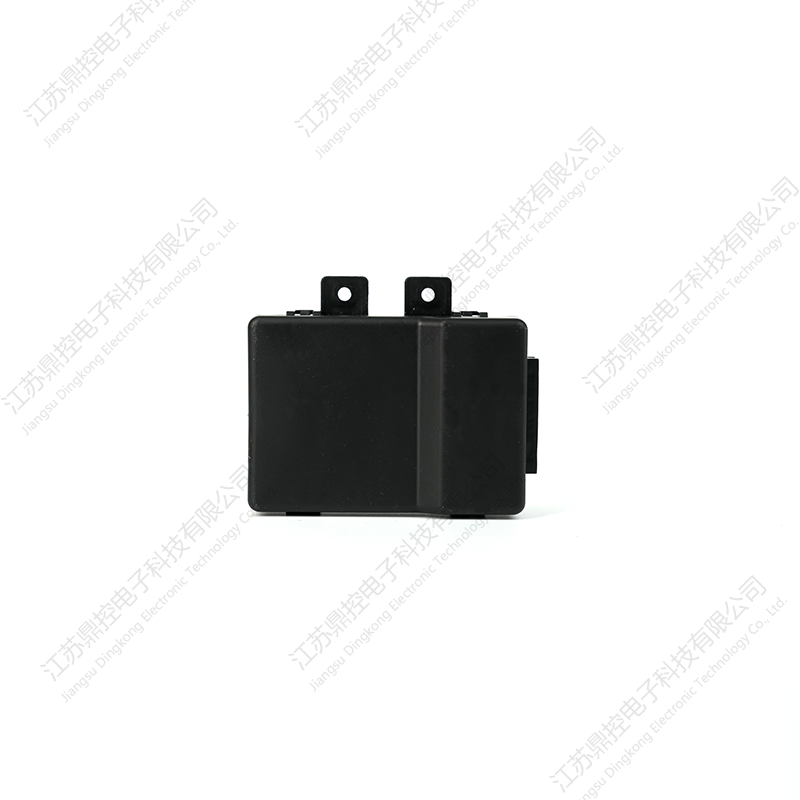
The Vehicle Control Module (VCM) is a critical electronic component in modern vehicles, responsible for monitoring and managing various vehicle systems. As vehicles become increasingly connected, the VCM plays a central role in vehicle networking technology, enabling communication between different electronic control units (ECUs) and external networks. Understanding the functions and importance of VCMs is essential for automotive engineers, fleet managers, and technology enthusiasts aiming to optimize vehicle performance, safety, and connectivity.
At its core, the Vehicle Control Module serves as the brain of the vehicle’s electronic system. Its functions include:
Modern vehicles rely on complex networks to connect various electronic systems, often using protocols such as CAN (Controller Area Network), LIN (Local Interconnect Network), and Ethernet. The VCM serves as a hub for these networks, enabling efficient communication and reducing latency in control commands.
In connected vehicles, VCMs are pivotal for enabling communication with external networks such as traffic management systems, cloud platforms, and other vehicles. This connectivity allows for advanced features like real-time traffic updates, predictive maintenance, and autonomous driving support.
As vehicles become more connected, data security and management are major concerns. VCMs implement multiple layers of security to prevent hacking and unauthorized access. Key functions include:
VCMs are essential for semi-autonomous and autonomous vehicles. By coordinating sensors, cameras, radar, and LiDAR systems, the VCM ensures that vehicles can safely navigate complex traffic conditions.
Despite its critical role, the VCM faces challenges as vehicle networks become more complex. Emerging trends aim to enhance performance and security:
Compared to legacy automotive control systems, VCMs provide superior coordination, security, and scalability. The following table summarizes key differences:
| Feature | Traditional ECU | Vehicle Control Module |
| Network Integration | Limited to specific subsystems | Coordinates multiple ECUs and external networks |
| Data Security | Basic encryption, limited access control | Advanced encryption, authentication, and firewall protection |
| Autonomous Driving Support | Minimal or none | Essential for sensor fusion and real-time control |
| Software Updates | Manual or dealer-based | Supports over-the-air updates |
The Vehicle Control Module is at the heart of vehicle networking technology, enabling seamless communication between in-vehicle systems and external networks. By coordinating sensors, ECUs, and telematics, VCMs enhance vehicle safety, efficiency, and connectivity. As automotive technology evolves toward fully autonomous and highly connected vehicles, the importance of VCMs will continue to grow, making them indispensable for modern vehicle design and operation.
1: Introduction – Enhancing Comfort and Convenience with Car Armrests The Importance of Comfort in Modern Driving In today’s automotive landscape,...
READ MOREI. IntroductionThe automotive industry is undergoing constant evolution, with a growing emphasis on vehicle maintenance and personalization. For car o...
READ MORE1. Introduction The Tesla Model 3 and Model Y have quickly become two of the most popular electric vehicles on the market. With their sleek designs, i...
READ MORE
Jiangsu Dingkong, No.1, Menlouxia, Changjing Town, Jiangyin City, Jiangsu Province, China
Copyright © 2024 Jiangsu Dingkong Electronic Technology Co., Ltd. All Rights
Reserved.
 Auto Aftermarket Accessories Manufacturers