

 English
 中文简体
中文简体1: Introduction – Enhancing Comfort and Convenience with Car Armrests The Importance of Comfort in Modern Driving In today’s automotive landscape,...
READ MOREJan 06, 2026
Content
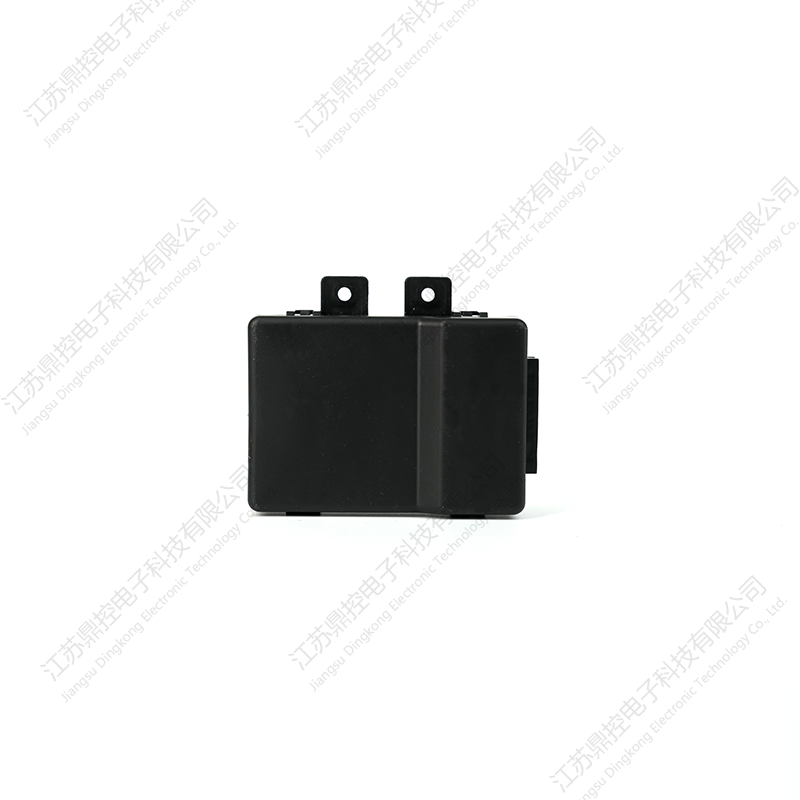
The Vehicle Control Module (VCM) is a central electronic unit in modern vehicles that manages and coordinates multiple vehicle systems. It integrates inputs from sensors, processes data, and controls outputs to optimize performance, fuel efficiency, safety, and reliability. Understanding its core functions is critical for automotive engineers, technicians, and vehicle owners who wish to maintain and troubleshoot modern vehicles effectively.
VCMs are commonly referred to as Engine Control Modules (ECM) or Powertrain Control Modules (PCM) when focusing on specific subsystems, but the core principle remains the same: centralized control of vehicle functions through advanced electronics and software algorithms.
One of the primary responsibilities of the VCM is to manage the engine’s operation for optimal performance, emissions control, and fuel efficiency. This involves:
The VCM also plays a key role in controlling automatic and manual transmissions to enhance performance and efficiency. Key functions include:
Modern VCMs integrate safety and stability control systems to improve driver confidence and vehicle handling. Functions include:
VCMs actively manage emission-related systems to meet environmental regulations. This includes:
A core function of the VCM is to provide diagnostic capabilities for maintenance and troubleshooting. The module:
VCMs also manage non-critical but essential systems that improve driver and passenger comfort. These include:
| Function | Description | Impact |
| Engine Management | Controls fuel injection, ignition timing, and idle speed | Optimized performance, fuel efficiency, and reliability |
| Transmission Control | Coordinates automatic/manual gear shifts | Smooth operation and efficiency |
| Safety Systems | Manages ABS, ESC, TCS, and airbags | Enhanced vehicle stability and occupant safety |
| Emissions Control | Monitors EGR, catalytic converters, and air-fuel ratio | Regulatory compliance and environmental protection |
| Diagnostics | Stores DTCs and communicates with onboard systems | Facilitates maintenance and fault detection |
| Comfort & Convenience | Climate control, adaptive cruise, and EPS coordination | Enhanced driving comfort and convenience |
The Vehicle Control Module is a central hub for modern automotive systems, coordinating engine, transmission, safety, emissions, diagnostics, and comfort functions. By integrating sensor inputs, software algorithms, and actuator outputs, the VCM ensures vehicles operate efficiently, safely, and reliably.
Understanding the core functions of the VCM helps engineers optimize vehicle design, enables technicians to troubleshoot effectively, and allows drivers to appreciate the advanced technologies that maintain vehicle performance and safety in everyday operation.
1: Introduction – Enhancing Comfort and Convenience with Car Armrests The Importance of Comfort in Modern Driving In today’s automotive landscape,...
READ MOREI. IntroductionThe automotive industry is undergoing constant evolution, with a growing emphasis on vehicle maintenance and personalization. For car o...
READ MORE1. Introduction The Tesla Model 3 and Model Y have quickly become two of the most popular electric vehicles on the market. With their sleek designs, i...
READ MORE
Jiangsu Dingkong, No.1, Menlouxia, Changjing Town, Jiangyin City, Jiangsu Province, China
Copyright © 2024 Jiangsu Dingkong Electronic Technology Co., Ltd. All Rights
Reserved.
 Auto Aftermarket Accessories Manufacturers