

 English
 中文简体
中文简体1: Introduction – Enhancing Comfort and Convenience with Car Armrests The Importance of Comfort in Modern Driving In today’s automotive landscape,...
READ MOREJun 01, 2026
Content
MPV stands for Multi-Purpose Vehicle — a category of car engineered to maximize interior space and adapt to a wide range of passenger and cargo needs. The term has been in use since the mid-1980s, originally coined in Europe to describe a new breed of family vehicle that sat somewhere between a traditional hatchback and a full-sized van. Today, the term is widely recognized across global automotive markets, though American buyers may be more familiar with the equivalent label "minivan," while British drivers sometimes call them "people carriers." For a broader overview of the vehicle class, the official classification of multi-purpose vehicles outlines the full scope of what qualifies under this designation.
Unlike most other car categories defined by body style or performance, the MPV is defined entirely by function. Its core promise is simple: carry more people, more comfortably, with more flexibility than any standard car. That functional clarity is what has kept the MPV relevant for four decades — even as trends have shifted.
The silhouette alone sets an MPV apart. These vehicles typically ride higher than a standard hatchback or sedan, with a tall, boxy profile that trades sleekness for headroom and cabin volume. Step inside an MPV and the difference is immediately obvious: the upright seating, generous shoulder room, and flat floor create a sense of space that no crossover can fully replicate.
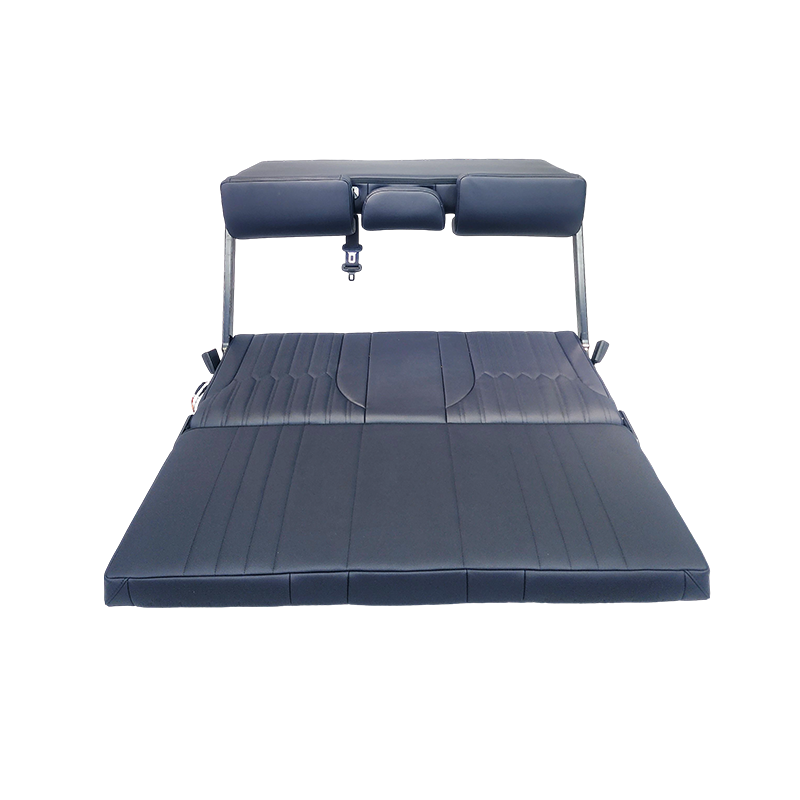
Most MPVs seat between five and nine passengers, with second- and often third-row seats that fold flat or remove entirely to free up boot space. This reconfigurability is the MPV's defining superpower — the same vehicle that carries six adults on Monday can haul flat-pack furniture on Saturday. Other defining traits include:
Modern MPVs have come a long way from purely utilitarian roots. Premium variants now offer leather seating, captain's chairs with electric adjustment, climate control zones, and advanced infotainment screens — comforts that rival executive saloons.
The MPV as a concept was born in the early 1980s. The Renault Espace, launched in 1984, is widely credited as the first true European MPV — a boxy, front-wheel-drive people carrier built on a car platform rather than a commercial van base. It was a radical departure from anything on the market at the time, and it sold slowly at first. Within a few years, however, families across Europe had recognized what it offered, and competitors rushed to follow.
Across the Atlantic, the segment took a slightly different form. The Chrysler minivan, introduced in 1983, pioneered the concept in North America under the "minivan" label, and the Mazda MPV — which arrived in the US at the end of the 1980s — brought the European terminology with it. Through the 1990s and 2000s, MPV sales peaked globally, with nearly every major manufacturer offering at least one seven-seat model. The segment began to soften in the 2010s as SUVs rose to dominance, but MPVs never disappeared — they simply evolved.
This comparison comes up constantly, and for good reason: both vehicle types offer generous interior space and can seat seven passengers. The differences, though, are significant enough to matter when choosing between them.
| Feature | MPV | SUV |
|---|---|---|
| Primary Design Goal | Maximum passenger space & practicality | Performance, versatility & style |
| Platform | Car-based (monocoque) | Car-based or truck-based |
| Off-Road Capability | Limited — designed for road use | Often available with AWD/4WD |
| Ride Height | Tall but van-like stance | Elevated with rugged proportions |
| Seating Configuration | Up to 9, highly flexible | Up to 7, less reconfigurable |
| Fuel Efficiency | Generally better (lighter platform) | Varies; larger engines common |
The short answer: if outright space and cabin flexibility are the priority, an MPV wins. If you want a vehicle that blends family practicality with a more commanding road presence and optional off-road ability, an SUV makes the stronger case. Many families find the SUV's styling more appealing — but those who prioritize function over form consistently choose the MPV.
The MPV segment spans a wide price and size range. A few of the most recognized models globally illustrate the variety on offer:
Each of these vehicles represents a different point on the MPV spectrum — from budget-friendly to luxury — but all share that foundational commitment to space and versatility that defines the category.
For many MPV owners, the factory interior is just the starting point. Whether the goal is to add business-class comfort to a shuttle vehicle, replace worn components, or retrofit modern features into an older model, the aftermarket offers extensive options.
Seat upgrades are among the most impactful changes an MPV owner can make. Swapping standard bench seats for electric power seats designed for MPV vehicles transforms the passenger experience — allowing individual adjustment, recline, and positioning at the touch of a button. For premium builds, seat upgrade modules with climate control and massage functions bring a level of refinement typically associated with luxury sedans.
Beyond seating, there is a broad range of MPV interior replacement parts and accessories — from armrests and control modules to roof lighting and floor upgrades — that allow owners to customize their vehicle's cabin to exactly the specification they need. Whether refitting a single passenger van or building out a fleet of executive people carriers, the right parts make a measurable difference in both comfort and resale value.
1: Introduction – Enhancing Comfort and Convenience with Car Armrests The Importance of Comfort in Modern Driving In today’s automotive landscape,...
READ MOREI. IntroductionThe automotive industry is undergoing constant evolution, with a growing emphasis on vehicle maintenance and personalization. For car o...
READ MORE1. Introduction The Tesla Model 3 and Model Y have quickly become two of the most popular electric vehicles on the market. With their sleek designs, i...
READ MORE
Jiangsu Dingkong, No.1, Menlouxia, Changjing Town, Jiangyin City, Jiangsu Province, China
Copyright © 2024 Jiangsu Dingkong Electronic Technology Co., Ltd. All Rights
Reserved.
 Auto Aftermarket Accessories Manufacturers