

 English
 中文简体
中文简体1: Introduction – Enhancing Comfort and Convenience with Car Armrests The Importance of Comfort in Modern Driving In today’s automotive landscape,...
READ MOREDec 19, 2025
Content
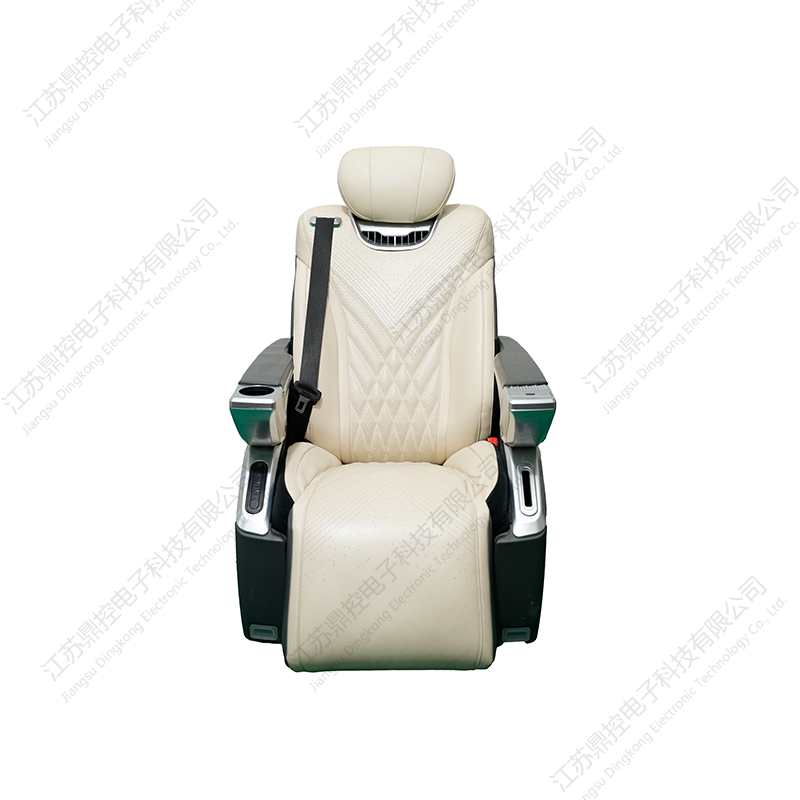
Electric seats and their accompanying accessories have become essential in the automotive industry, redefining comfort, ergonomics, and user convenience. From power-adjustable seating to integrated heating, cooling, and massage systems, these innovations provide drivers and passengers with customizable comfort while enhancing overall vehicle functionality.
Beyond comfort, electric seating systems impact vehicle efficiency by integrating lightweight materials, energy-saving motors, and smart control modules. Manufacturers now see electric seats as not just a luxury feature, but a component contributing to ergonomics, safety, and operational efficiency.
Proper seating is critical for driver alertness and long-distance comfort. Electric seats allow precise adjustments in multiple dimensions, including height, lumbar support, seat tilt, and headrest position. This flexibility helps maintain optimal spinal alignment and reduces fatigue during long drives.
Advanced accessories, such as massage modules and memory settings, support musculoskeletal health by promoting circulation and reducing strain. These features enhance the overall user experience while indirectly contributing to driving safety by keeping occupants comfortable and alert.
Electric seats offer programmable memory functions, allowing multiple users to save their preferred seating positions. This level of personalization not only improves user satisfaction but also reduces adjustment time, making vehicle operation more efficient for shared or multi-driver vehicles.
Electric seats contribute to overall vehicle efficiency in several ways. Modern seat systems are engineered using lightweight alloys and composite materials, which reduce vehicle weight and improve fuel efficiency or battery range in electric vehicles. Energy-efficient motors and control modules minimize electrical consumption, ensuring that these features do not significantly drain vehicle power.
Additionally, integration with smart vehicle systems allows automatic seat adjustment based on driving mode or load conditions, optimizing ergonomics without requiring manual input. This seamless integration improves user experience while maintaining energy-efficient operation.
Manufacturers increasingly adopt low-power motors, regenerative seat heaters, and adaptive control algorithms to reduce energy consumption. By limiting power draw without compromising comfort, electric seat systems maintain high efficiency and contribute to overall vehicle sustainability.
Electric seats and accessories are integral to modern vehicle safety systems. Integrated sensors adjust seating positions for optimal airbag deployment, enhance seatbelt effectiveness, and adapt to occupant size and weight. Smart seating systems can communicate with advanced driver-assistance systems (ADAS) to optimize ergonomics and safety simultaneously.
Beyond passive safety, these systems contribute to operational efficiency by minimizing the need for manual seat adjustments, reducing driver distraction, and promoting a consistent driving posture conducive to long-distance comfort.
The advantages of electric seats over traditional manual seats can be summarized in the following table:
| Feature | Electric Seat | Manual Seat |
| Adjustability | Multi-directional, memory settings | Limited, manual adjustment |
| Comfort Features | Heated, cooled, massage | Basic cushioning |
| Energy Efficiency | Low-power motors, optimized control | No electrical use |
| Safety Integration | Sensor-based, ADAS compatible | Minimal integration |
Electric seats and accessories are often perceived as premium features, allowing automakers to differentiate products in competitive markets. Vehicles equipped with advanced seating solutions attract buyers seeking both comfort and technology, enhancing brand value and customer satisfaction.
Offering customizable electric seating options supports diverse user needs, from executive sedans to family SUVs, broadening market appeal and providing tangible differentiation in increasingly crowded automotive segments.
The future of electric seats includes greater integration with smart vehicle ecosystems, AI-driven personalization, and adaptive comfort systems that respond in real time to road conditions, driver posture, and climate. Innovations such as wireless control, predictive adjustment, and improved energy management will further enhance efficiency and user experience.
As electric and autonomous vehicles become more prevalent, the role of seating will evolve beyond comfort, acting as a central interface for user interaction, safety optimization, and environmental efficiency.
Electric seats and accessories significantly improve vehicle efficiency, comfort, and safety. By combining advanced ergonomics, energy-efficient technologies, and integrated smart systems, these features elevate user experience while optimizing operational performance.
Investing in electric seating systems is a strategic decision for automakers aiming to enhance vehicle appeal, support sustainable practices, and meet the evolving demands of consumers who value both technology and comfort in modern transportation.
1: Introduction – Enhancing Comfort and Convenience with Car Armrests The Importance of Comfort in Modern Driving In today’s automotive landscape,...
READ MOREI. IntroductionThe automotive industry is undergoing constant evolution, with a growing emphasis on vehicle maintenance and personalization. For car o...
READ MORE1. Introduction The Tesla Model 3 and Model Y have quickly become two of the most popular electric vehicles on the market. With their sleek designs, i...
READ MORE
Jiangsu Dingkong, No.1, Menlouxia, Changjing Town, Jiangyin City, Jiangsu Province, China
Copyright © 2024 Jiangsu Dingkong Electronic Technology Co., Ltd. All Rights
Reserved.
 Auto Aftermarket Accessories Manufacturers