

 English
 中文简体
中文简体1: Introduction – Enhancing Comfort and Convenience with Car Armrests The Importance of Comfort in Modern Driving In today’s automotive landscape,...
READ MOREFeb 05, 2026
Content
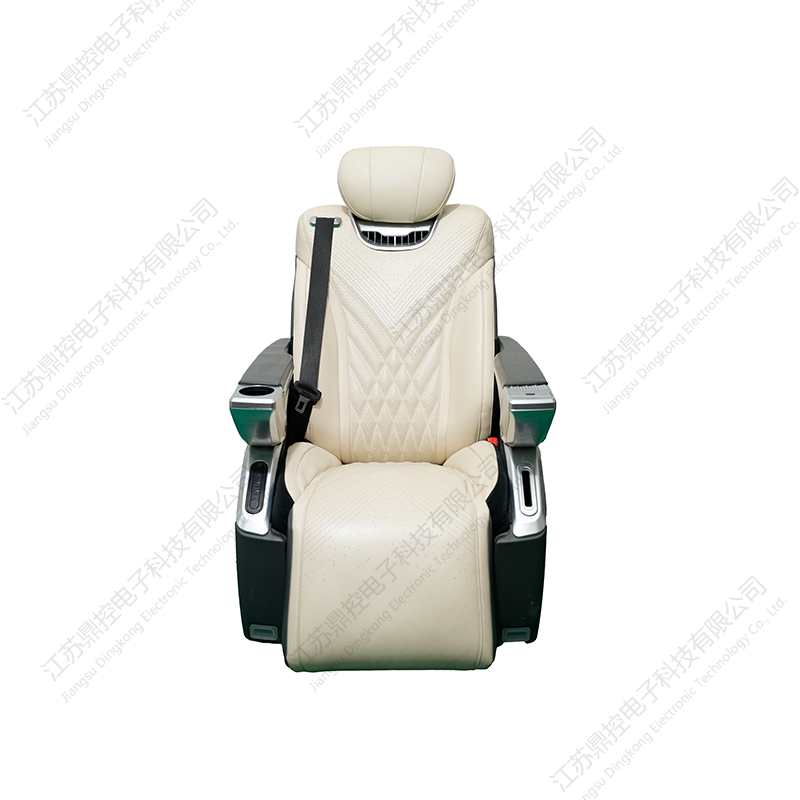
An automobile electric seat, also known as a power seat, is a vehicle seating system that uses electric motors to adjust seat position and configuration. Unlike manual seats that require physical effort to adjust using levers and handles, electric seats operate through switches or buttons that control small motors positioned throughout the seat frame.
These seats provide precise adjustments for driver and passenger comfort, allowing customization of seat height, angle, fore-aft position, and lumbar support. Modern electric seats can include memory functions, heating and cooling elements, and massage features, significantly enhancing the driving experience and reducing fatigue during long journeys.
Electric seat systems typically contain multiple small DC motors, each responsible for specific adjustment functions. Most seats use between 2 to 8 motors depending on the level of adjustment capability. These motors are compact, powerful enough to move the seat with an occupant, and designed for reliability over thousands of adjustment cycles.
The motors connect to mechanical components through gear systems that convert rotational motion into linear movement. Quality motors operate quietly and smoothly, providing precise positioning without jerking or hesitation.
Control switches are typically located on the seat side panel for easy access. These switches send signals to the seat control module, which then activates the appropriate motors. Modern vehicles often use joystick-style controls that intuitively correspond to the desired movement direction, making adjustments simple and logical.
Advanced systems include touchscreen controls integrated into the vehicle's infotainment system or door panels, offering additional customization options and visual feedback during adjustments.
The seat frame provides structural support and houses the adjustment mechanisms. Heavy-duty tracks on the seat base allow fore-aft movement, while pivot points enable recline and tilt adjustments. These mechanical components must withstand significant forces during normal use and especially during collisions, meeting strict safety standards.
| Feature Level | Adjustment Functions | Typical Vehicle Segment |
| 4-Way | Forward/backward, recline | Entry-level vehicles |
| 8-Way | 4-way plus height, tilt | Mid-range sedans and SUVs |
| 10-Way | 8-way plus lumbar support | Premium sedans |
| 12-Way | 10-way plus lumbar height adjustment | Luxury vehicles |
| 14-Way and Above | Additional bolster, thigh, headrest adjustments | High-end luxury and executive cars |
Memory seat systems allow drivers to save and recall their preferred seating positions with the press of a button. The system stores position data for all motorized adjustments in the vehicle's electronic control unit. Most systems offer 2-3 memory positions, enabling multiple drivers to quickly configure the seat to their preferences.
Advanced memory systems integrate with the vehicle's key fob or driver profile settings. When a specific key is used or driver profile selected, the seat automatically adjusts to the saved position as the driver enters the vehicle. Some systems also remember mirror positions, steering column height, and climate control settings along with seat preferences.
Memory functions prove particularly valuable in households where vehicles are shared among family members of different sizes. The instant recall eliminates the time and distraction of manual adjustments before driving, improving both convenience and safety.
Heated seats incorporate electrical heating elements within the seat cushion and backrest, providing warmth during cold weather. These systems typically offer multiple temperature settings, allowing occupants to select their comfort level. The heating elements warm up quickly, usually reaching comfortable temperatures within 2-3 minutes.
Modern heated seats include safety features such as automatic shutoff timers and temperature sensors to prevent overheating. Some systems integrate with the vehicle's climate control, automatically adjusting heat output based on cabin temperature.
Ventilated seats use small fans to circulate air through perforations in the seat upholstery, reducing heat and moisture buildup. This feature proves especially beneficial in hot climates or during summer months, preventing uncomfortable sweating and improving overall comfort.
Some premium vehicles offer actively cooled seats that incorporate thermoelectric cooling elements along with ventilation. These systems can actually cool the seat surface below ambient temperature, providing superior comfort in extreme heat conditions.
Massage seats integrate pneumatic bladders or small motors within the seat structure to provide therapeutic massage during travel. These systems offer various massage programs targeting different muscle groups and utilizing different techniques such as kneading, rolling, or pulsing motions.
Users can typically select massage intensity, speed, and focus areas through vehicle controls. Programs may include full back massage, lumbar-focused massage, or targeted shoulder massage. The massage function helps reduce driver fatigue, improve circulation, and provide relief from muscle tension during extended journeys.
Research indicates that seat massage features can significantly reduce perceived fatigue and discomfort on trips exceeding two hours. Some luxury vehicles offer massage programs synchronized with ambient lighting and audio for a comprehensive relaxation experience.
Proper seating position significantly impacts safety in collision scenarios. Electric seats enable drivers to achieve the ideal position relative to the steering wheel, airbags, and pedals. Correct positioning ensures airbags deploy effectively and reduces injury risk. Additionally, comfortable, well-adjusted seats reduce driver fatigue, which is a major factor in accident causation.
Electric seats draw power from the vehicle's electrical system, typically consuming 5-10 amps during active adjustment. While this represents a significant current draw, adjustments are brief, so the overall impact on battery life is minimal. Most vehicles include protection circuits that prevent seat operation when battery voltage drops too low, preserving starting capability.
Heated seats consume approximately 3-5 amps per seat when active, while ventilated seats draw 2-4 amps. Massage functions add another 1-3 amps of current draw. In modern vehicles with adequate alternator capacity, these loads present no issues during normal operation. However, extended use of multiple seat features with the engine off can drain the battery.
Electric vehicles and hybrids manage seat power consumption carefully to preserve driving range. Some systems incorporate timers that automatically reduce or disable seat heating, cooling, and massage after a set period to optimize energy efficiency.
When a seat becomes completely unresponsive, first check the vehicle's fuse box for blown fuses protecting the seat circuits. A blown fuse often indicates an electrical short or motor failure. If fuses are intact, verify that the vehicle's battery has sufficient charge, as low voltage can prevent seat operation.
Inspect wiring harnesses under the seat for damage, particularly if the seat has been moved recently or objects have been stored beneath it. Broken wires or disconnected connectors are common causes of total seat failure. If all electrical connections appear sound, the control switch or seat module may require replacement.
When some seat adjustments work while others fail, the problem typically lies with a specific motor or its associated wiring. Listen carefully during adjustment attempts to determine if the motor makes any sound. A clicking noise without movement suggests a stuck mechanism or failed motor. No sound at all indicates an electrical issue.
Foreign objects lodged in seat tracks can prevent movement in one direction while allowing it in another. Remove any items from under and around the seat, and manually check that tracks are clear of obstructions.
Slow seat movement often results from worn motors, binding mechanisms, or low battery voltage. If all seat functions move slowly, check battery condition and charging system performance. If only one function is slow, that motor or mechanism likely needs attention.
Jerky movement typically indicates binding in the mechanical components. Lack of lubrication in tracks and pivot points causes increased friction. Apply appropriate lubricants to moving parts, avoiding contact with electrical components and upholstery.
Have electric seat systems inspected during regular vehicle maintenance, particularly before warranty expiration. Professional technicians can identify developing issues before they cause complete failure. If seats are used heavily or show signs of wear, consider having mechanisms lubricated and adjusted every 2-3 years.
When seat problems occur, consult qualified technicians rather than attempting complex repairs yourself. Modern seat systems integrate with vehicle safety systems and airbag circuits, making improper repairs potentially dangerous. Professional diagnosis with appropriate scan tools ensures accurate identification of electrical faults.
The automotive industry continues developing advanced electric seat technologies. Emerging innovations include seats that automatically adjust based on driver biometrics, using sensors to detect posture and apply corrective support. Some manufacturers are testing seats with integrated health monitoring that tracks heart rate, breathing, and stress levels.
Autonomous vehicle development drives new seat designs with extreme adjustment ranges, allowing seats to rotate, recline fully, or convert into lounge configurations. These systems require more powerful motors and sophisticated control algorithms to ensure smooth, safe transitions.
Sustainability concerns are pushing development of lighter, more efficient seat mechanisms using advanced materials and brushless motors. Future electric seats may incorporate energy-harvesting technologies that capture kinetic energy from vehicle movement to reduce overall power consumption. Integration with artificial intelligence systems could enable seats that learn driver preferences and automatically optimize position for different driving scenarios.
1: Introduction – Enhancing Comfort and Convenience with Car Armrests The Importance of Comfort in Modern Driving In today’s automotive landscape,...
READ MOREI. IntroductionThe automotive industry is undergoing constant evolution, with a growing emphasis on vehicle maintenance and personalization. For car o...
READ MORE1. Introduction The Tesla Model 3 and Model Y have quickly become two of the most popular electric vehicles on the market. With their sleek designs, i...
READ MORE
Jiangsu Dingkong, No.1, Menlouxia, Changjing Town, Jiangyin City, Jiangsu Province, China
Copyright © 2024 Jiangsu Dingkong Electronic Technology Co., Ltd. All Rights
Reserved.
 Auto Aftermarket Accessories Manufacturers